Running a successful business requires far more than offering great products or services. Behind every thriving company is a carefully built operational foundation that supports daily activities, customer experiences, and long-term growth. From the physical space where employees work to the systems that support financial management and facility maintenance, each element contributes to a smooth and productive environment.
Many business owners initially focus on launching their brand, marketing their offerings, and building a customer base. While those areas are certainly important, long-term success depends on the less visible infrastructure that keeps operations running efficiently. A well-organized workspace, reliable utilities, clear branding, and effective maintenance routines can significantly influence how employees perform and how customers perceive the business.
Businesses that take time to establish strong operational foundations tend to experience fewer disruptions, better productivity, and stronger reputations in their communities. Thoughtful planning also allows companies to scale more easily as they grow, since their systems and facilities are designed to handle increased activity.
This guide explores several key elements that support smooth business operations, from setting up a functional workspace to maintaining a professional and efficient environment over time.
Choosing the Right Location for Your Business

Evaluating accessibility and visibility
One of the first decisions entrepreneurs make is where their business will operate. Location affects customer accessibility, employee convenience, and overall visibility in the community. Many businesses start their search by exploring listings for office space for sale in commercial districts that offer strong foot traffic and easy transportation access. Selecting a location with convenient parking, nearby amenities, and proximity to other businesses can increase customer visits and improve daily operations.
Understanding zoning and property regulations
Before finalizing a property, business owners should review zoning requirements and local regulations. These rules determine which activities can occur within a particular area and can influence everything from signage to building modifications. Understanding these guidelines early helps avoid unexpected delays or costly adjustments after purchasing a property.
Considering future expansion needs
Choosing a location that accommodates growth can save significant time and money in the future. Companies should evaluate whether the space allows for additional workstations, meeting areas, storage, or production capacity. Planning reduces the likelihood of relocating as the business expands.
Creating a productive workspace layout
Once a location is selected, thoughtful interior planning becomes essential. A well-organized layout can improve collaboration, workflow efficiency, and employee comfort. Considerations such as lighting, furniture placement, and designated quiet areas can all contribute to a productive environment.
Establishing a Professional Brand Presence
The role of exterior branding
A business’s exterior appearance often forms the first impression customers receive. Clear, well-designed signage helps people identify the location and reinforces the brand’s identity. Many companies collaborate with a business sign company to create signage that reflects their brand colors, typography, and messaging while also remaining visible and compliant with local regulations.
Creating consistent brand visuals
Beyond signage, consistent branding across physical and digital spaces builds recognition and trust. Logos, color schemes, and design elements should appear in storefront displays, packaging, and marketing materials. Maintaining visual consistency makes the business more memorable to customers.
Strengthening team identity
Internal branding also plays a role in building company culture. Many organizations provide branded apparel, such as custom t shirts, to employees for events, promotions, or everyday operations. These items can strengthen team unity while simultaneously promoting the brand to the public.
Enhancing customer experience
A cohesive brand presence reassures customers that the business is professional and organized. Small details such as signage, staff presentation, and interior design all contribute to the overall perception of quality and reliability.
Designing Durable and Functional Interior Surfaces
Prioritizing durability in high-traffic areas
Commercial spaces experience far more foot traffic than residential properties. Floors must withstand constant use from employees, customers, and equipment. Durable surfaces help reduce maintenance costs and prevent frequent repairs.
Improving safety and cleanliness
Businesses should consider materials that are easy to clean and resistant to spills, scratches, and moisture. This is especially important for environments such as retail stores, warehouses, and service facilities where accidents and heavy use are more likely.
Selecting modern flooring solutions
Some companies partner with a commercial epoxy flooring company to install surfaces designed for strength and longevity. Epoxy coatings create a seamless layer over concrete floors, helping protect the surface while also providing a polished and professional appearance.
Maintaining long-term appearance
High-quality flooring can significantly improve the overall aesthetic of a business space. Investing in durable materials reduces the need for frequent replacements and helps maintain a professional environment for both employees and customers.
Building Reliable Electrical Infrastructure
Supporting everyday operations
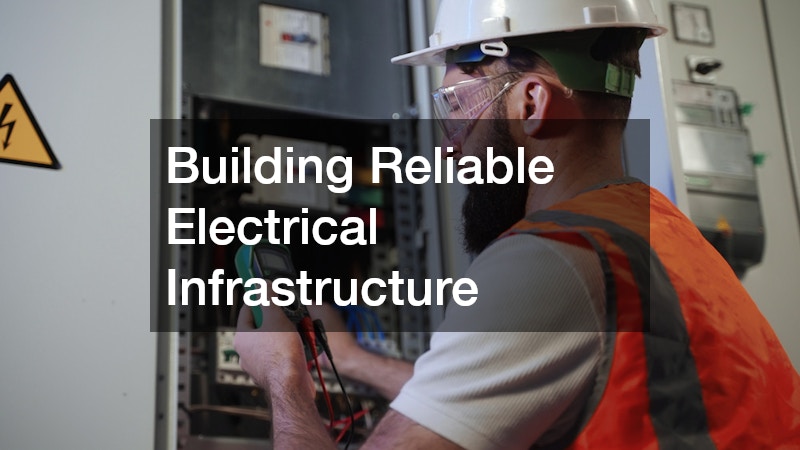
Electricity powers nearly every aspect of modern business operations, from lighting and computers to manufacturing equipment and security systems. Reliable electrical infrastructure is essential to maintaining productivity and preventing interruptions.
Planning for technological needs
As companies grow, their electrical demands often increase. New equipment, additional workstations, and digital systems require adequate electrical capacity and proper wiring to operate safely and efficiently.
Working with experienced professionals
Many organizations rely on commercial electrician companies to install, upgrade, and maintain electrical systems within their facilities. Professional installation helps ensure that electrical components meet safety standards and support the needs of the business.
Preventing costly disruptions
Routine inspections and preventative maintenance can help identify potential electrical issues before they cause downtime. Addressing small problems early protects both equipment and employees.
Maintaining Comfortable and Functional Facilities
The importance of reliable utilities
Utilities such as heating, cooling, and hot water play an important role in workplace comfort and sanitation. Employees and customers expect a comfortable environment that supports daily activities without interruption.
Supporting sanitation and hygiene
Businesses that operate kitchens, restrooms, or cleaning stations rely heavily on hot water availability. Reliable systems ensure that sanitation standards are maintained and that daily tasks can be completed efficiently.
Installing dependable equipment
Many commercial properties install a commercial water heater designed to handle the higher demand of business environments. These systems provide consistent hot water for cleaning, food preparation, and facility maintenance.
Planning routine inspections
Regular maintenance and inspections help extend the lifespan of utility systems and reduce the risk of unexpected breakdowns. Keeping these systems functioning properly contributes to a safe and comfortable workplace.
Creating Safe and Accessible Outdoor Areas
The importance of well-maintained exterior spaces
The exterior of a commercial property often forms the first impression customers have of a business. Before a visitor steps inside, they evaluate the appearance, organization, and safety of the property outside. Well-maintained outdoor areas communicate professionalism and attention to detail, which can build trust even before the first interaction with staff. Clean walkways, clear signage, and organized parking areas help visitors feel comfortable and confident about entering the establishment.
Maintaining smooth and durable parking areas
Parking areas are one of the most heavily used parts of a commercial property. Customers, employees, and delivery drivers rely on safe and accessible parking every day. Many businesses install an asphalt parking lot because asphalt offers durability, flexibility, and relatively cost-effective installation compared to other materials. Proper maintenance is important to ensure that the surface remains smooth and safe for vehicles and pedestrians. Regular sealing, repainting of parking lines, and timely repair of cracks help prevent long-term damage.
Improving accessibility and traffic flow
An organized parking layout improves both safety and efficiency. Clearly marked entrances, exits, pedestrian walkways, and accessible parking spaces help visitors move around the property with ease. Businesses that plan their outdoor layout carefully can reduce traffic congestion, prevent accidents, and improve the overall experience for customers arriving at the location.
Scheduling routine inspections and repairs
Over time, outdoor surfaces can deteriorate due to weather exposure, vehicle traffic, and environmental conditions. Conducting routine inspections allows property managers to identify issues such as potholes, cracks, or faded markings early. Addressing these problems quickly helps preserve the parking surface and prevents more expensive repairs later.
Keeping the Exterior Clean and Professional

Why cleanliness influences business reputation
The appearance of a building’s exterior can influence how customers perceive the professionalism of a business. Dirt, mildew, stains, and debris can accumulate over time, especially in areas with heavy rainfall or frequent foot traffic. Even a well-run business can appear neglected if the exterior is not properly maintained. Maintaining a clean exterior helps reinforce a brand’s credibility and attention to detail.
Protecting building materials from long-term damage
Exterior surfaces are constantly exposed to environmental factors such as rain, sunlight, dust, and pollution. Without proper cleaning, these elements can slowly damage materials like concrete, brick, siding, and painted surfaces. Regular cleaning removes buildup that can cause discoloration or deterioration.
Maintaining a polished business image
Many organizations rely on periodic commercial power washing to restore the appearance of sidewalks, parking areas, and building facades. This cleaning technique uses pressurized water to remove dirt, algae, grease, and other contaminants that accumulate over time. By removing these substances, businesses can maintain a fresh and inviting exterior that reflects the professionalism of their operations.
Creating a regular cleaning routine
Exterior cleaning should be part of a comprehensive maintenance schedule rather than an occasional task. Businesses often plan seasonal or quarterly cleaning to keep their properties looking presentable year-round. Consistent upkeep not only improves appearance but also helps prevent long-term structural damage.
Managing Business Operations and Finances
The role of organized financial systems
Beyond the physical workspace, smooth operations also depend on well-managed administrative systems. Financial organization is essential for tracking expenses, paying employees, managing taxes, and maintaining accurate records. Businesses that establish strong financial processes early are better positioned to grow without operational confusion.
Supporting employee compensation and compliance
Employee compensation must be handled accurately and consistently. Payroll mistakes can lead to frustration among staff, compliance issues, or even legal complications. Clear procedures for managing employee payments help maintain trust and professionalism within the organization.
Simplifying payroll administration
To streamline this process, many companies use payroll services for small businesses that handle wage calculations, tax withholdings, and reporting requirements. These solutions can reduce administrative burdens while ensuring that businesses meet regulatory obligations and deadlines.
Freeing time for leadership priorities
When financial and payroll systems run smoothly, business owners and managers can focus more on strategic initiatives such as expanding operations, improving customer experiences, and strengthening company culture.
Maintaining Clean and Organized Work Environments
The connection between cleanliness and productivity
Work environments that are clean and organized contribute significantly to employee productivity. Cluttered spaces can slow down workflows, create distractions, and even pose safety risks in certain industries. Maintaining organized work areas helps employees focus on their tasks and perform more efficiently.
Developing structured waste disposal systems
Every business produces waste in some form, whether it involves packaging materials, office supplies, or operational byproducts. Establishing structured waste disposal procedures ensures that trash is handled efficiently and does not accumulate within the workspace.
Supporting responsible waste handling
Many companies rely on providers that specialize in commercial waste management to manage garbage collection, recycling programs, and proper disposal of materials. These systems help businesses maintain cleanliness while also complying with environmental regulations.
Encouraging sustainable workplace habits
In addition to external waste programs, businesses can encourage employees to participate in sustainability efforts. Providing clearly labeled recycling containers, reducing unnecessary packaging, and promoting responsible disposal practices can significantly improve workplace organization and environmental responsibility.
Planning for Long-Term Facility Maintenance
Understanding the value of preventative maintenance
Preventative maintenance plays a critical role in avoiding unexpected disruptions. Rather than waiting for equipment or facilities to fail, businesses that schedule routine inspections can identify small issues before they develop into larger problems. This proactive approach helps maintain operational continuity and reduce repair costs.
Creating structured maintenance schedules
A well-designed maintenance plan typically includes regular inspections, equipment servicing, cleaning routines, and facility upgrades. Establishing a schedule ensures that all areas of the business receive attention and that important systems remain in good working condition.
Allocating resources for improvements
Maintenance and facility upgrades should be part of the company’s financial planning. Setting aside funds for repairs, replacements, and improvements ensures that businesses can address problems quickly without disrupting operations or budgets.
Supporting stability and long-term growth
When facilities are maintained consistently, businesses create an environment that supports reliability and efficiency. A stable workplace encourages employee productivity, protects company assets, and ensures that customers continue to receive consistent service.
Successful businesses are built on more than strong products or effective marketing strategies. Behind every thriving company is a well-planned operational foundation that supports employees, customers, and long-term growth. From establishing a functional workspace and maintaining reliable infrastructure to organizing financial processes and maintaining a professional environment, each element contributes to smooth daily operations.
Businesses that invest time and resources into maintaining their facilities and systems often experience fewer disruptions and greater efficiency. Preventative planning, consistent maintenance, and organized operations allow companies to focus on innovation, customer satisfaction, and expansion.
By prioritizing the foundational elements that support daily activities, organizations create a stable environment where both employees and customers can thrive. Over time, these strong operational foundations become a key factor in sustaining success and building a reputation for reliability and professionalism.